

Origin of Tulip Auctions and Their Unmatched Value
The Origin of Tulip Auctions and Their Unrivaled Value
The history of tulip auctions is deeply intertwined with Tulip Mania, a fascinating and turbulent period in Dutch history during the 17th century. This phenomenon not only marked a unique chapter in the economy of the Netherlands but also led to one of the first recorded speculative bubbles in the world.
How did tulip auctions begin?
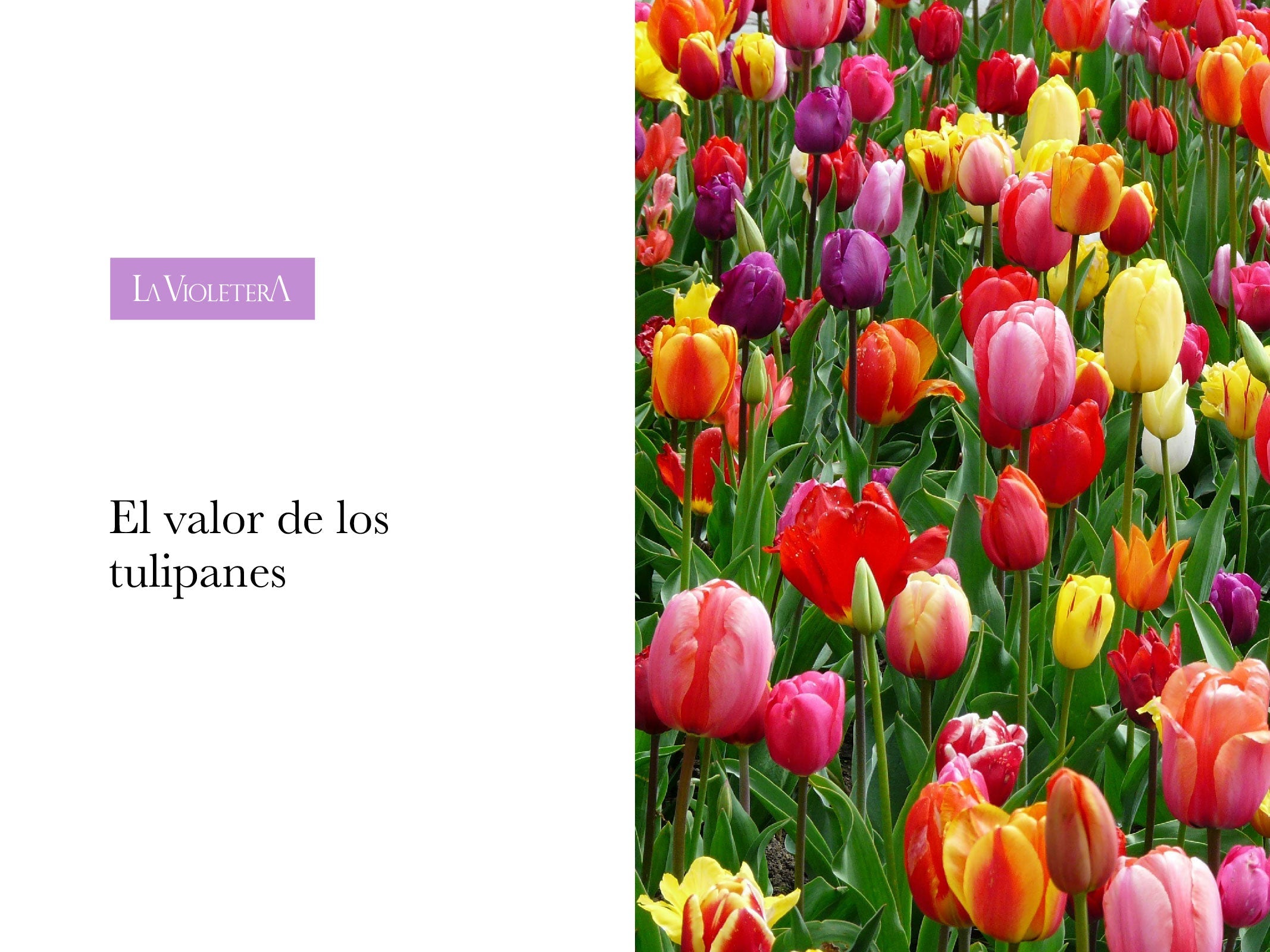
In the 1630s, tulips began to gain popularity in the Netherlands due to their rarity and exotic beauty. Some tulip bulbs had unique characteristics, such as striped patterns and colors not found in other flowers. These peculiarities made them highly desirable among nobles and wealthy merchants, who saw them as a symbol of status and luxury.
The growing demand and limited supply of bulbs led to the creation of an auction system for selling tulips, especially the rarest ones. These auctions were not held in traditional markets but in halls, private homes, and taverns, where merchants and collectors bid for the bulbs. In some cases, not even real bulbs were auctioned, but future contracts to buy tulips, which added a speculative element to the trade.
The tulip craze: Tulip Mania
The desire for tulips reached its peak during Tulip Mania (1634-1637). This period was characterized by a speculative frenzy in which bulb prices skyrocketed to absurd levels. Historical records show that some bulbs cost as much as a luxurious house in Amsterdam.
The most valuable tulips were those with unique patterns, such as the famous Semper Augustus, a white tulip with striking red stripes that became a symbol of extreme wealth. These types of tulips were valued not only for their beauty but also for their exclusivity.
The bubble bursts
In 1637, the speculative bubble collapsed. Tulip prices dropped drastically when buyers began to retract their contracts, and the market was flooded with bulbs. This collapse left many merchants ruined and marked the end of Tulip Mania.
Despite the financial losses, tulip auctions continued, but now in a more regulated and realistic context. This historical event became a warning about the risks of speculation and irrational market behavior.
The legacy of tulip auctions
Today, auctions of tulips and other flowers are still a tradition in the Netherlands. The flower auction in Aalsmeer, near Amsterdam, is the largest in the world, where millions of flowers, including tulips, are bought and sold every day. This system combines the historical heritage of auctions with modern technology, ensuring that tulips continue to be an integral part of Dutch economy and culture.
Conclusion:
Tulip auctions began as a response to the desire for the exclusive beauty of these flowers, becoming the center of one of the first economic bubbles. Although Tulip Mania left an important economic lesson, the historical and cultural value of tulips remains intact. Today, they continue to be a symbol of elegance and a reminder of the impact that something as simple as a flower can have on human history.



Leave a comment
This site is protected by hCaptcha and the hCaptcha Privacy Policy and Terms of Service apply.